Small Patios and Balconies: The Best Space-Saving Fountains
Small patios and balconies can still enjoy the calming effect of a fountain. This guide highlights space-saving options like corner fountains, wall-mounted designs, and compact tabletop bubblers that fit beautifully in tight outdoor areas.

If you’re working with a small patio or balcony, adding a fountain might feel like a stretch—but it’s actually one of the easiest ways to make the space feel more finished.

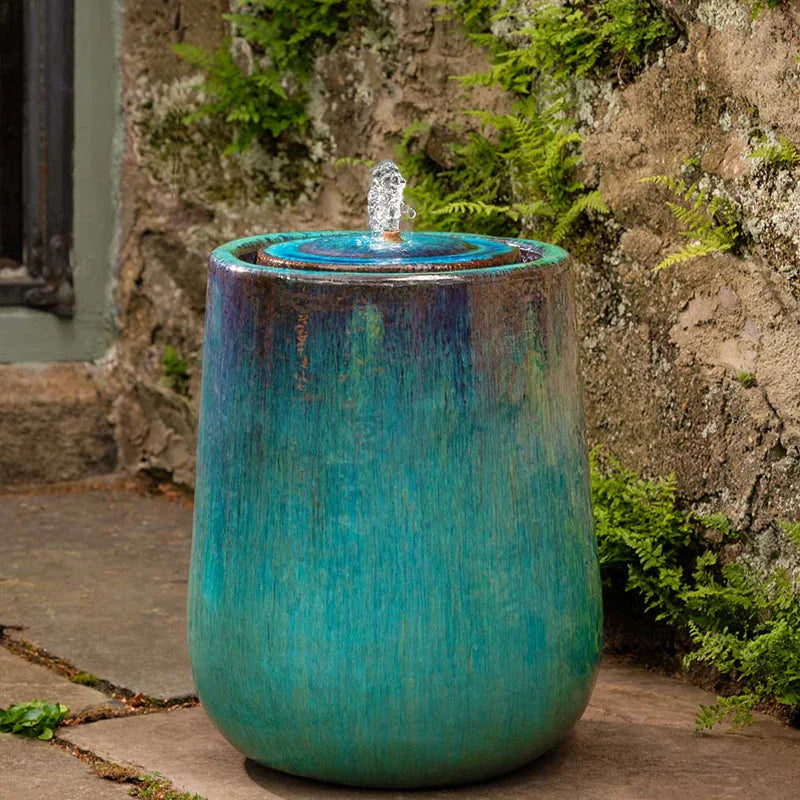
The key isn’t finding a small fountain. It’s finding the right type—something that fits the layout, doesn’t crowd the area, and still gives you that relaxing sound of moving water. In most cases, that means looking at compact designs like Tabletop fountains, space-efficient Bird Bath fountains, or other Small fountains that are made to work in tighter spaces.

With the right setup, even a modest balcony can feel more like a quiet retreat.

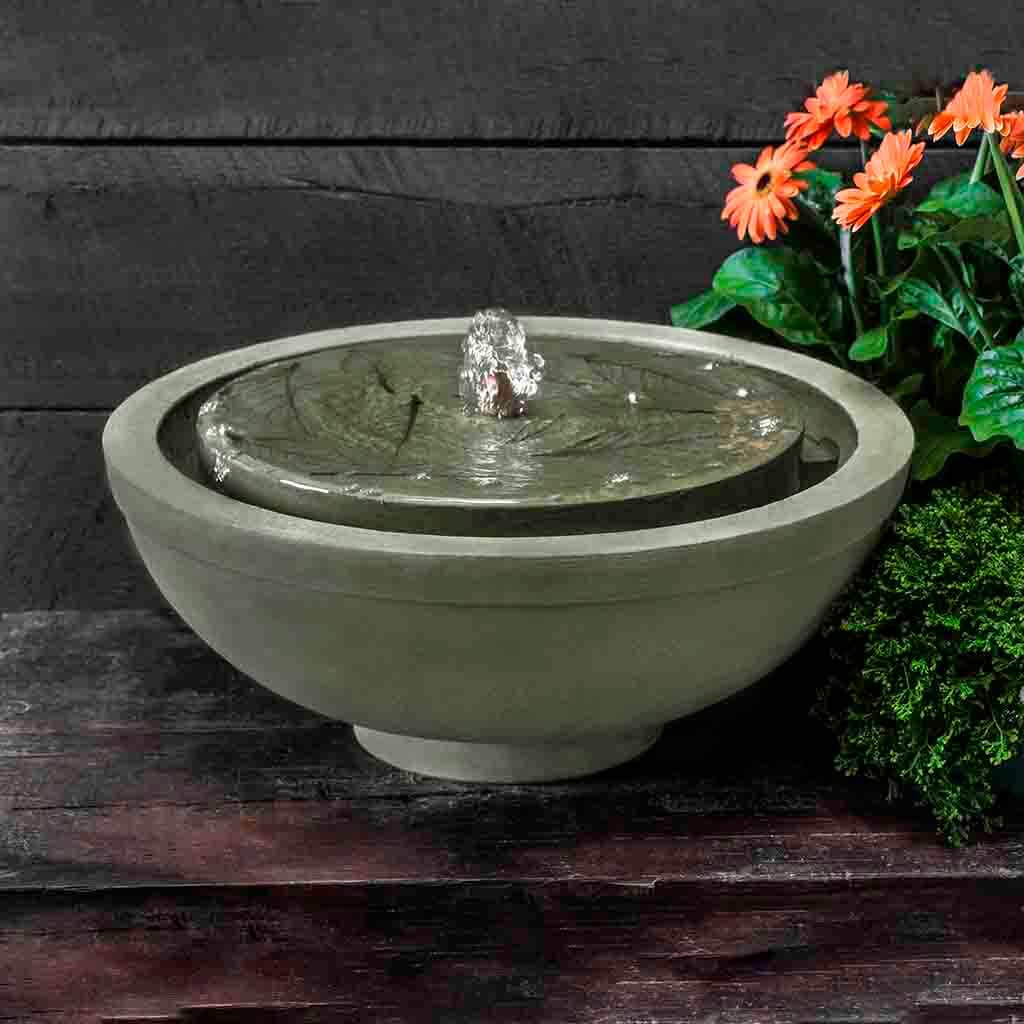
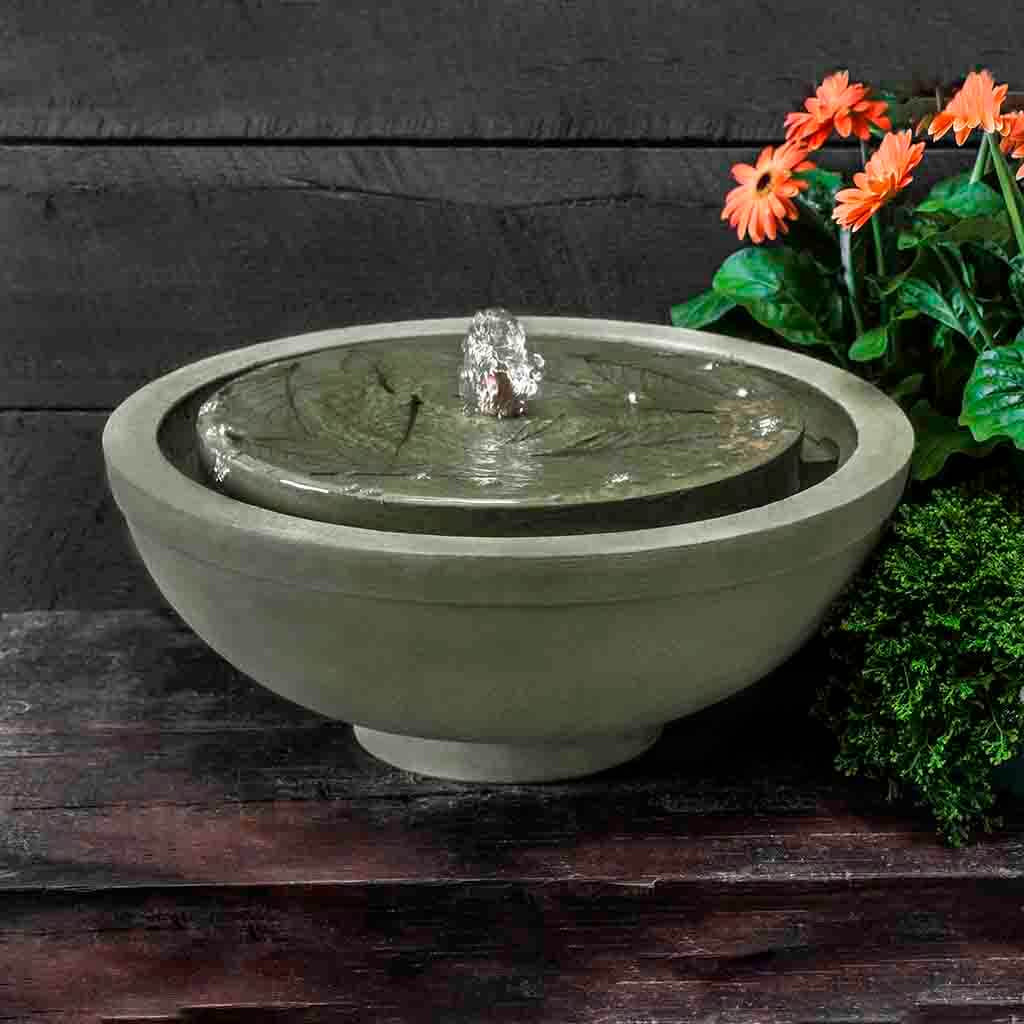
Hydrangea Leaves Garden Terrace Fountain

Start With the Space You Actually Have

Before choosing a fountain, it helps to look at how the space is used day to day.

On a balcony or small patio, every inch matters. Seating, plants, and walkways all compete for the same area. That’s why bulky fountains often don’t work—they take up space you actually need.

Instead, the best options tend to either sit on top of something, tuck into a corner, or rest against a wall without sticking too far out.

Once you think about it that way, the choices become much clearer.

Tabletop Fountains: The Easiest Fit

For most small spaces, Tabletop fountains are usually the first thing people try—and for good reason.

They don’t take up floor space. You can place them on a table, shelf, or even a sturdy railing ledge depending on the setup. That alone makes them one of the easiest ways to add water without rearranging everything else.

They also tend to be lightweight and easy to move around. If you decide to change your layout later, you’re not committed to one position.

Sound-wise, they’re usually on the softer side. You’ll hear them when you’re nearby, but they won’t overpower the space—which actually works well for smaller patios where louder water might feel out of place.

Corner Fountains: Using Space That’s Already There

Corners are often underused in small outdoor spaces.

A fountain designed to sit in that corner can make the area feel intentional instead of empty. It also keeps the center of the space open, which is important on a balcony where walking room is limited.

Corner designs tend to be more vertical, so they add height without taking up much floor space.

This makes them a good middle ground—more presence than a tabletop piece, but still compact enough for tighter layouts.

Flat-Back and Wall-Hugging Designs

Another option that works well in smaller spaces is anything that sits flush against a wall.

These fountains don’t extend far outward, which means they don’t interfere with how you move around the space. They’re especially useful along railings or exterior walls where you already have a defined edge.

Even though they’re compact, they can still create a steady flow of water that’s easy to hear from a seating area.

This type of setup often feels more built-in, even if it’s a freestanding piece.

Bird Bath Fountains for a Small Garden Feel

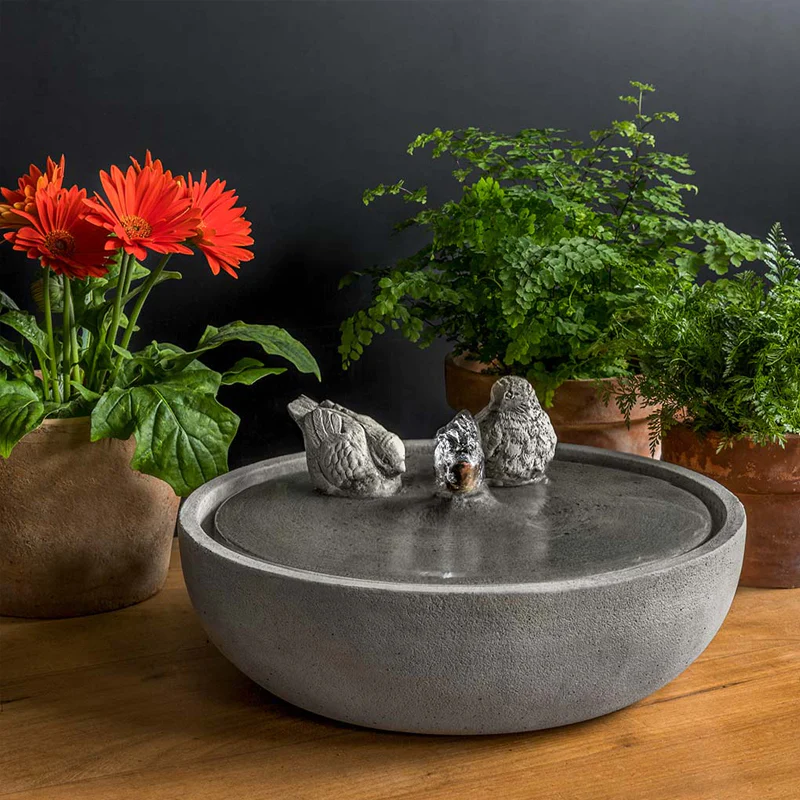
If you want to bring a bit of nature into a small patio, Bird Bath fountains can work surprisingly well.

They don’t need a large footprint, and they add a slightly different feel compared to more modern designs. Instead of just being decorative, they invite movement—birds, insects, and a bit of activity that makes the space feel alive.

They do require a bit more attention, since outdoor debris can collect in the basin. But for many people, that tradeoff is worth it.

Placed near plants or along a railing, they can turn even a small balcony into something that feels more like a garden.

Small Fountains That Don’t Overwhelm the Space

When the area is limited, scale matters more than anything else.

Some fountains are technically small, but still feel bulky once they’re in place. Others are designed with tighter spaces in mind and fit more naturally into the layout.

Small fountains that keep a low profile—either in height or width—tend to work best when you’re trying to keep things open and uncluttered.

The goal is to add something noticeable without making the space feel crowded.

Think About Sound in a Smaller Space

Sound can catch people off guard in smaller spaces.

Something that seems really subtle in a larger yard can feel a lot more noticeable once it’s on a balcony. The walls and railings don’t give the sound much room to go, so it kind of stays around you.

Because of that, a softer fountain often ends up feeling just right without much adjustment.

If it turns out you want a bit more presence, you can always turn the flow up later. It’s easier to start quiet and adjust than the other way around.

Keep It Easy to Maintain

Maintenance matters more when the fountain is close to where you sit.

In a small space, you’ll notice cloudy water or debris more quickly. Choosing a fountain that’s easy to access, clean, and refill makes a big difference over time.

This is another reason why Tabletop fountains and other compact designs are popular—they’re simple to manage.

Creating a Space You’ll Actually Use

A fountain doesn’t need to be large to make an impact.

In a smaller patio or balcony, it’s often the opposite. A well-placed, compact fountain can change how the space feels without taking over.

Whether it’s a quiet corner with Tabletop fountains, a nature-inspired setup with Bird Bath fountains, or one of the many thoughtfully designed Small fountains, the goal is the same—adding a bit of movement and sound without sacrificing space.

And once it’s in place, even a small outdoor area starts to feel a little more complete.

In smaller areas especially, getting the scale right is what makes everything feel intentional rather than cramped.