


What You Need to Know About Outdoor Benches?
An outdoor bench has a way of making a garden feel more complete. It gives you a place to stop for a while, whether it's overlooking a favorite flower bed, sitting beside a fountain, or tucked beneath a shade tree. Some people add a bench as the finishing touch after the landscaping is done, while others build the rest of the space around it. Either way, it often becomes one of the most-used features in the yard.
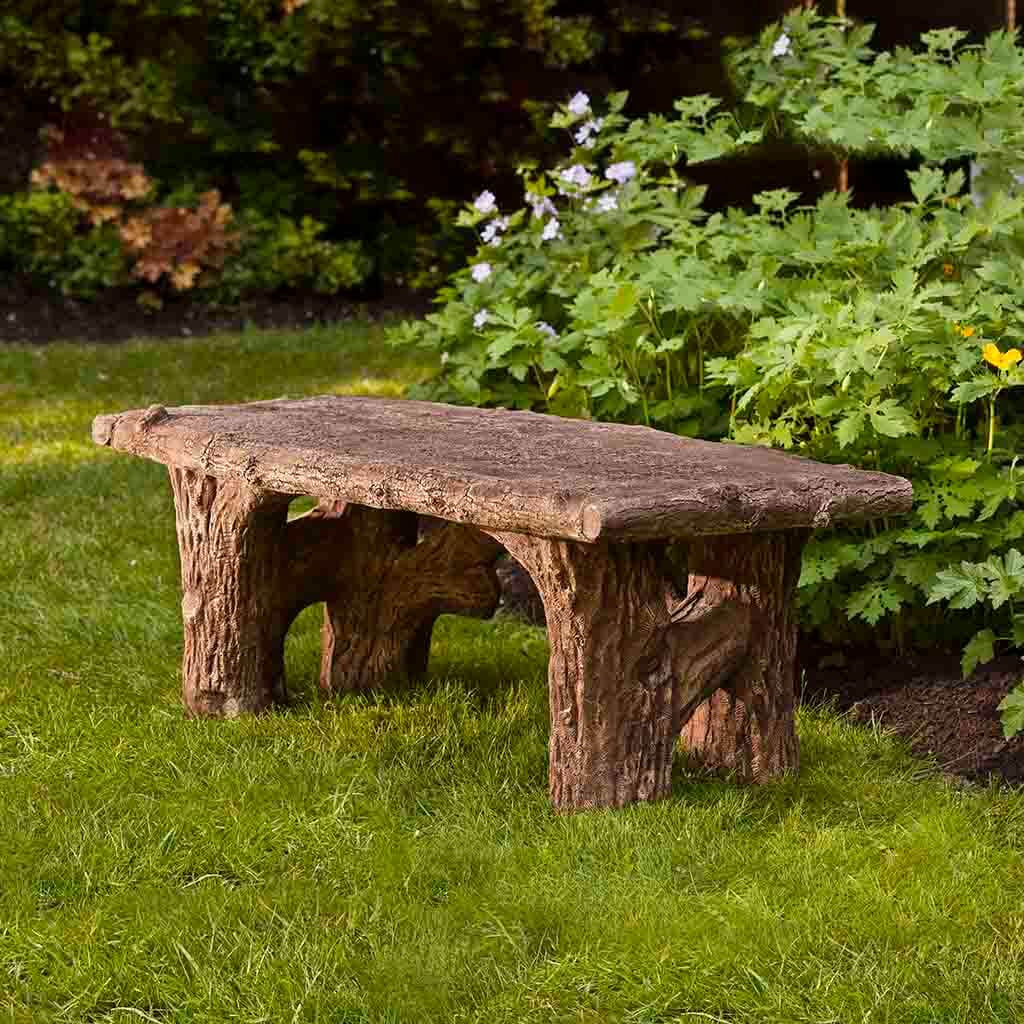
If you're deciding which style fits best, it helps to think about how the space is already being used. Modern Outdoor Benches work well with clean landscaping, paved courtyards, and contemporary water features where a simpler design feels right. Curved Outdoor Benches are often chosen for wrapping around trees, following circular patios, or softening the straight lines of a garden layout. If your landscape leans more traditional, Classic Stone Benches bring a sense of permanence and pair naturally with established gardens, fountains, and formal walkways.
A bench doesn't need to be the center of attention to make a difference. Once it's in place, it simply becomes somewhere to pause, enjoy the view, or spend a few quiet minutes outside. That's usually what makes it one of the most appreciated additions to any outdoor space.
FAQs
Common Questions About Outdoor Benches
That depends on the look you're after. Stone benches offer a substantial, permanent feel, while other materials may be lighter and easier to move around the garden.
Most outdoor benches are designed for year-round use. In areas with harsh winters, occasional cleaning and seasonal care can help extend the finish and overall lifespan.
Popular locations include garden paths, patios, courtyards, beneath mature trees, or facing a fountain or favorite view. Choosing a spot you naturally spend time near usually makes the bench more enjoyable to use.
Many stone benches arrive in separate pieces to make handling easier. Assembly is typically straightforward and involves positioning the seat securely on its supporting legs or pedestal.
Consider both the available space and how the bench will be used. A larger bench can anchor an open garden area, while a more compact design may be better suited to smaller patios, pathways, or tucked-away seating areas.