Why is My Fountain Pump So Loud? (And How to Quiet It)

Is your fountain pump making loud rattling or buzzing noises? This guide explains common causes like low water levels, vibration against the basin, or debris—and how to fix and quiet the pump quickly.

If your fountain pump suddenly sounds louder than usual—rattling, buzzing, or humming—it’s almost never a sign that the pump is “going bad.” In most cases, it’s something simple: the pump is vibrating against the basin, the water level has dropped too low, or there’s a bit of debris affecting how it runs.

The fix is usually quick once you know what to look for. Whether it’s one of the larger Large Outdoor fountains, a compact Wall fountain, or a more enclosed setup like Courtyard fountains, the cause tends to fall into a few common categories.

Start With the Water Level

One of the easiest things to check is also the most common cause.

If the water level drops too low, the pump may start pulling in air along with water. When that happens, the sound changes—it often becomes louder, sometimes with a slight gurgling or rattling noise.

Topping off the basin usually fixes it right away. Once the pump is fully submerged again, the sound often settles back to normal within seconds.

This shows up more often during hot or windy days, when evaporation lowers the water level faster than expected.

When the Pump Is Touching the Basin

Another common reason for noise is simple vibration.

Fountain pumps are small but powerful enough to create slight movement while running. If the pump is sitting directly against the side of the basin, that vibration can transfer into the structure and amplify the sound.

Instead of a soft hum, you’ll hear more of a rattling or buzzing noise.

Repositioning the pump so it sits flat and doesn’t touch the walls usually makes a noticeable difference. Some people place a small piece of rubber, foam, or even a flat stone underneath the pump to absorb vibration.

This is especially noticeable in Wall fountains and Courtyard fountains, where the enclosed structure can echo sound more than open spaces.

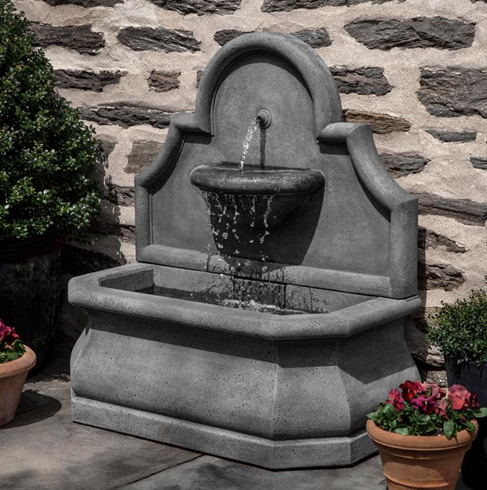
Rebecca in Grando Pool Outdoor Fountain

Check for Debris Inside the Pump

If the noise sounds rough or irregular, it may be coming from inside the pump itself.

Small debris—like sand, bits of leaves, or mineral buildup—can find its way into the pump housing over time. When that happens, the internal parts may not spin as smoothly as they should.

The result is often a louder hum or a slight grinding sound.

Taking the pump out and giving it a quick rinse usually clears this up. If needed, opening the pump and cleaning the impeller can restore quiet operation.

This tends to happen more often in Large Outdoor fountains, since larger basins collect more debris over time.

Pioggia Tiered Outdoor Fountain - Large

Air Trapped in the Pump

Sometimes the pump is noisy right after being turned on, especially after cleaning or refilling the fountain.

This can happen when air gets trapped inside the pump housing. The pump ends up pushing a mix of air and water, which creates a louder, uneven sound.

Gently tilting or lifting the pump while it’s underwater usually releases the trapped air. You may see a few bubbles rise to the surface as it clears.

Once the pump is fully filled with water again, the sound usually evens out.

The Surface the Pump Sits On Matters

The bottom of the basin can also influence how loud the pump sounds.

If the pump sits on a hard, uneven surface, even small vibrations can become more noticeable. A slightly softer base—like a rubber pad or a flat layer of small stones—can help dampen that vibration.

This doesn’t change how the pump works, but it can make a big difference in how it sounds.

When the Sound Is Actually Normal

Not all pump noise is a problem.

Every fountain pump produces a soft hum when it’s running. In quiet outdoor spaces, that sound can be more noticeable—especially if there isn’t much background noise to mask it.

The goal isn’t complete silence, but rather a steady, low sound that blends into the water flow rather than competing with it.

In many cases, once the water is moving properly, the sound of the fountain itself covers most of the pump noise.

A Quick Reset Often Fixes It

If the pump suddenly becomes louder and you’re not sure why, a simple reset can help.

Unplug the pump, remove it from the basin, give it a quick rinse, and place it back carefully before turning it on again.

Many small issues—like minor debris or slight misalignment—resolve themselves with this quick reset.

Keeping the Pump Quiet Over Time

Once the noise is under control, a few simple habits help keep it that way.

Checking the water level regularly prevents the pump from pulling in air. Keeping debris out of the basin reduces buildup inside the pump. And making sure the pump sits properly in place avoids unnecessary vibration.

These small steps go a long way in maintaining quiet operation.

When Everything Sounds Right Again

When a fountain is running the way it should, the pump fades into the background.

Instead of rattling or buzzing, you hear the steady sound of water moving—whether it’s spilling gently from a Wall fountain, echoing softly in Courtyard fountains, or flowing through one of the larger Large Outdoor fountains.

And in most cases, getting back to that point takes just a small adjustment or two.

If the noise comes back over time, a quick pump check and cleaning usually takes care of the root cause.