Understanding Fountain Pumps 101: GPH, Power Sources, and Cords

Confused by fountain pump specs? This guide explains what GPH means, why most outdoor fountains require a 110-volt GFCI outlet, and simple ways to safely manage or hide power cords across patios and gardens.

If fountain pumps confuse you, you’re not alone.

Most buyers don’t worry about the pump until they see terms like “GPH” or read something about needing a GFCI outlet. Then suddenly the relaxing backyard upgrade feels technical. The truth is, fountain pumps are much simpler than they sound. Once you understand three basics — how water flow is measured, what kind of outlet you need, and how to deal with the cord — everything becomes straightforward.

You don’t need electrical experience. You just need to know what matters and what doesn’t.


Once you understand how pumps operate, the next step is deciding whether a solar or hardwired setup actually fits your space and expectations.

Klamath™ Basin Stone Outdoor Fountain

What Does GPH Actually Mean?

GPH stands for gallons per hour. That’s it.

It simply tells you how much water the pump can move in one hour under ideal conditions.

A small pump rated at 120 GPH moves 120 gallons per hour.

A stronger pump rated at 500 GPH moves much more water in the same time.

That number affects two things:

  • How strong the water flow looks
  • How loud the fountain sounds

For example, most birdbath fountains and smaller bubbler fountains use lower GPH pumps because they’re designed for gentle movement. You don’t need a powerful surge of water — just enough to keep it circulating and prevent stagnation.

Larger or taller fountains require higher GPH because the water has to travel farther vertically before falling back into the basin. If the pump is too weak, the water won’t reach the top properly.

One important detail people miss: the GPH rating decreases as height increases. Pumps work harder when pushing water upward. So a pump rated at 300 GPH at ground level may deliver less flow at 3 or 4 feet of lift.

That’s normal. It’s not a defect.

The key takeaway:
Higher GPH = stronger flow.
Lower GPH = softer, calmer movement.

Do You Need a Special Outlet?

In most cases, yes — but it’s not complicated.

Outdoor fountains typically plug into a standard 110-volt outlet. What makes it different is that the outlet should be GFCI protected.

A GFCI (Ground Fault Circuit Interrupter) outlet is designed to shut off automatically if it detects an electrical imbalance. It’s a safety feature used for bathrooms, kitchens, garages, and outdoor spaces.

If your home was built in the last couple of decades, there’s a good chance you already have one outside. You can recognize it by the “Test” and “Reset” buttons on the outlet.

If you don’t have one, installing a GFCI outlet is usually a simple job for an electrician and not an expensive project. It’s a one-time setup that protects any outdoor feature you plug in — not just a fountain.

Most corner fountains, birdbath fountains, and bubbler fountains are designed for plug-and-play installation once that outlet is available.

No special wiring.
No complicated electrical panel work.
Just a safe outdoor outlet.

How Much Electricity Does a Fountain Pump Use?

This is another common concern.

Most fountain pumps use about as much electricity as a small household light bulb. They are designed to run continuously without drawing heavy power.

Running a fountain 24/7 usually costs far less than people expect. For many homeowners, the monthly cost is negligible compared to the visual and sound benefit it adds to the yard.

If you prefer, you can always plug the fountain into an outdoor timer and run it during the hours you’re most likely to enjoy it.

What About Power Cords Across the Yard?

This is where buyers hesitate the most.

No one wants an obvious cord stretched across the lawn.

The good news is there are simple ways to keep things clean and safe.

For Patios and Hard Surfaces

If your fountain sits on a patio, the cord can usually be tucked along the edge of the slab or routed behind planters or furniture. Outdoor-rated cord covers are available and blend easily with concrete or stone surfaces.

Many corner fountains actually make this easier because the cord can run directly along the wall line where it’s barely noticeable.

For Grass Areas

If the fountain is placed in a garden bed or lawn, the safest method is to use an outdoor-rated extension cord and bury it just below the soil surface. It doesn’t need to go deep — just enough to protect it from lawn equipment and foot traffic.

Always use:

  • Outdoor-rated cords
  • Weatherproof connections
  • GFCI protection at the outlet

Never use indoor extension cords outdoors. That’s where problems happen.

Submersible Pumps vs External Pumps

Most residential fountains — especially birdbath fountains and bubbler fountains — use submersible pumps. These sit inside the basin under the water.

Why that matters:

  • They’re quiet
  • They’re easy to replace
  • They’re simple to maintain

You don’t see them. You don’t hear motor noise. You just see water moving.

External pumps are typically used for very large outdoor installations and are uncommon in residential decorative fountains.

For most homeowners, submersible is exactly what you want.

Klamath™ Basin Stone Outdoor Fountain

Maintenance Basics (Nothing Complicated)

Fountain pumps are surprisingly durable when cared for properly.

The most important habit is keeping the pump submerged. If the water level drops too low and the pump runs dry, that’s when wear happens.

Cleaning is simple:

  • Unplug the pump
  • Remove it from the basin
  • Rinse debris from the intake
  • Reassemble

That’s usually it.

Smaller fountains like bubbler fountains may need cleaning a bit more often simply because the basin holds less water. Larger basins dilute debris more effectively.

Choosing the Right Pump for the Fountain Type

Different fountain styles naturally pair with different pump strengths.

Birdbath fountains
Typically use lower to moderate GPH. The goal is light circulation, not dramatic movement.

Bubbler fountains
Often use moderate flow. The bubbling action depends on steady upward pressure.

Corner fountains
Can vary depending on height. If water is traveling upward along a wall or through multiple tiers, a stronger pump is necessary to maintain proper flow.

When buying a complete fountain set, the pump is usually matched correctly already. The confusion mostly arises when replacing a pump later and trying to match the original performance.

If replacing, always check:

  • GPH rating
  • Maximum lift height
  • Outlet tubing size

Matching those three specs keeps everything working as designed.

The Simple Way to Think About It

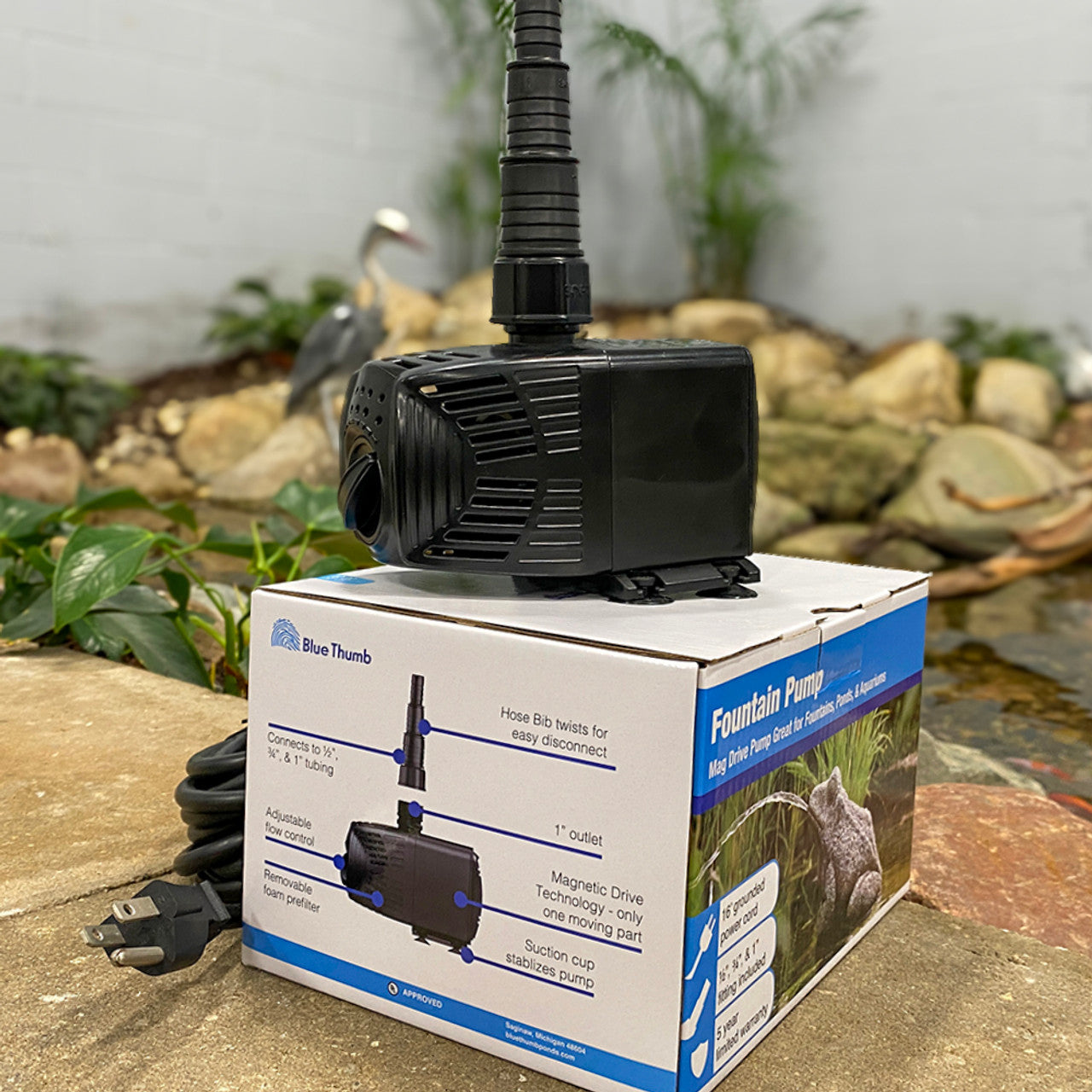
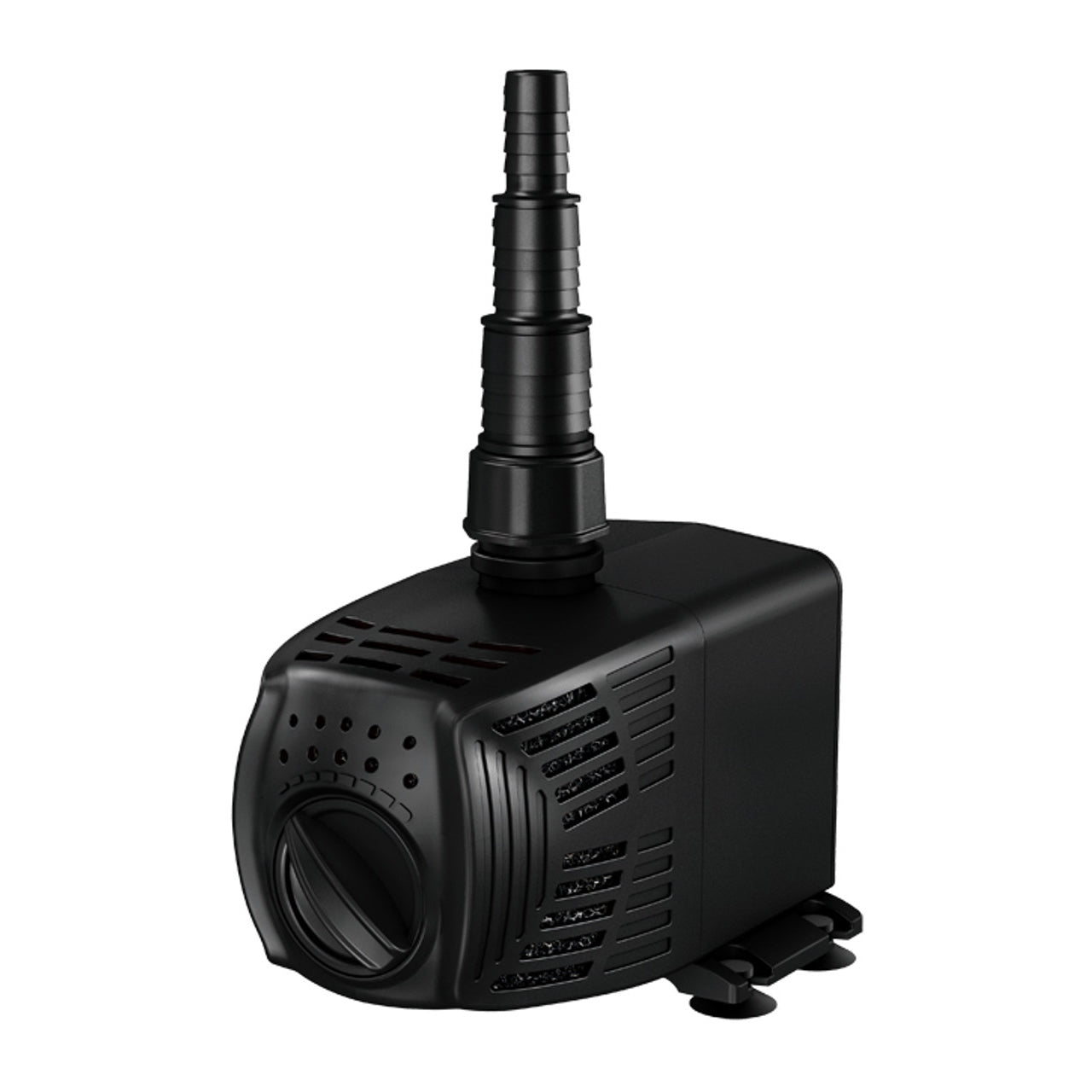
A fountain pump is just a small motor that keeps water moving.

GPH tells you how strong the movement will be.
A GFCI outlet keeps it safe.
Cord management keeps it clean and tidy.

Once those three pieces are understood, the technical part stops feeling technical.

Most hesitation around fountain pumps comes from unfamiliar terminology — not actual difficulty. In practice, setting up a birdbath fountain, bubbler fountain, or corner fountain is closer to plugging in a lamp than installing a major appliance.

And once it’s running, the only thing you’ll really notice is the sound of water — not the pump that makes it possible.