


What You Need to Know About Bird Bath Fountains?
There are certain products people buy because they need them. Bird bath fountains usually aren't one of them.
Most customers who end up here already have a garden they're happy with. The birdbath is often one of the finishing touches. Sometimes it's filling an empty spot near a flower bed. Sometimes it's replacing an older piece that's been outside for years and finally needs to be retired.
As you scroll through the collection, you'll probably notice that there isn't a single look dominating the category.
Some of the Concrete Birdbaths are fairly traditional. Pedestal bases, wide bowls, familiar proportions. The kind of birdbath that looks at home in almost any garden setting. They continue to be some of the most requested designs, especially from customers who want something substantial that won't need to be repositioned every season.
Then there are the Whimsical Birdbaths. These tend to get strong reactions. Birds, animals, decorative figures, unusual shapes—people usually know pretty quickly whether they're interested in that style or not. They're popular gifts as well, particularly for gardeners who already have most of the practical things they need.
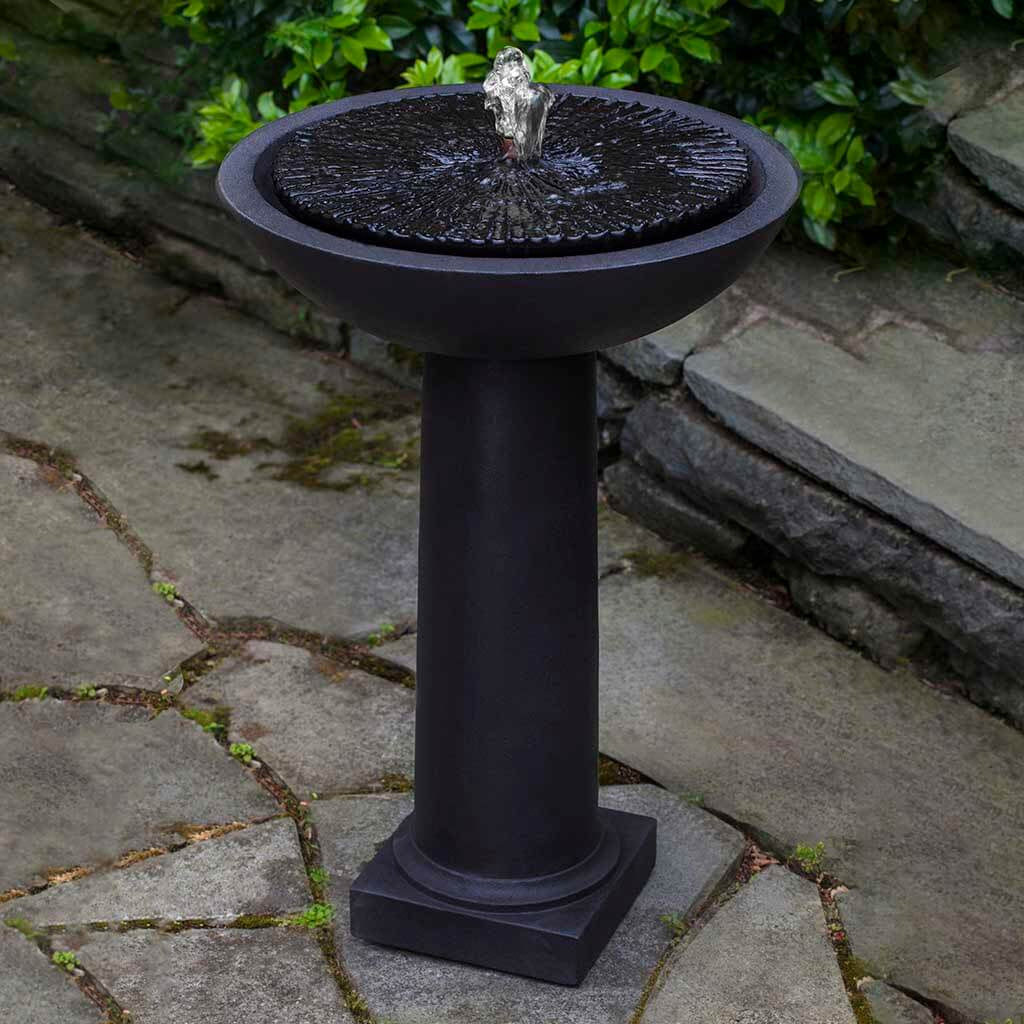
Modern Birdbaths make up another part of the collection. Cleaner silhouettes. Less decoration. In many cases, the shape of the basin becomes the design itself. These are often chosen for newer homes, though we see them used in all kinds of landscapes.
One thing customers frequently compare is bowl depth. Not because it's the first thing they notice, but because it becomes important once they've narrowed down a few favorites. Some designs have broad, shallow bowls. Others are a little deeper. The difference is usually easier to see when viewing products side by side.
There are also plenty of birdbaths here that don't fit neatly into a category. A traditional base with a contemporary bowl. A decorative piece made from a material you'd normally associate with a simpler design. Those are often the ones that end up surprising people.
The collection changes over time, but the goal stays the same: bird bath fountains that people actually want to keep in the garden for years, not just for a season.
FAQs
Common Questions About Bird Bath Fountains
Solar powered bird bath fountains use small solar panels to power the recirculating pump. They work best in direct sunlight and usually don't require electrical wiring, making installation simple and eco-friendly.
A standard birdbath is a simple basin that holds still water, while a bird bath fountain keeps the water flowing. The gentle circulation not only attracts more birds but also helps keep the water cleaner and fresher for longer.
Most bird bath fountains are made from stone, ceramic, or cast iron. Stone and cast iron options are durable and can handle outdoor weather, while ceramic designs bring more color and artistry to the space. Your choice depends on whether you want long-term durability or a decorative touch.
Regular care is simple: change the water every few days, especially in warm weather, and give the basin a quick scrub to prevent buildup. Many bird water fountains also have easy-to-clean pumps that help with circulation. Keeping up with small maintenance steps will make sure your fountain stays inviting and safe for visiting birds.
It depends on your space and style. A large bird bath works well as a centerpiece in a big yard or patio, while smaller bird bath fountains fit nicely in cozy gardens or on a deck. The key is choosing a size that feels balanced with your outdoor area.
Moving water attracts a wide variety of birds, including robins, bluebirds, chickadees, goldfinches, and warblers. Hummingbird bird bath fountains with fine misting options are particularly effective at attracting these tiny flyers.
Most birds prefer birdbaths placed in a quiet area with nearby shrubs or trees for cover. It's also helpful to position the fountain where you can easily refill and clean it as needed.
That depends on the material and your climate. In areas with freezing temperatures, it's generally recommended to drain the fountain and follow the manufacturer's winter care instructions to help prevent damage.